

Homeowners often blame high energy bills on outdated appliances or an aging HVAC system. But in many homes, energy is being lost long before heated or cooled air ever reaches the rooms where people actually live.
The issue isn’t usually a single failure. Instead, it’s the result of small, often invisible gaps in how a home is built, sealed, and insulated. Understanding where those losses occur — and why — can help homeowners make smarter decisions, avoid unnecessary upgrades, and improve comfort in meaningful ways.
How Energy Actually Moves Through a Home
Most people think of heating and cooling as something that happens inside their home. In reality, energy efficiency is determined by how well a home contains conditioned air.
Heat and cooled air move in predictable ways. Warm air rises. Air seeks the easiest path out. Moisture follows airflow.
“When homeowners focus only on equipment, they miss the bigger picture,” says Lane Pace, a building performance specialist who works with homes across the Southern United States. “The building itself determines whether heating and cooling systems can perform as intended.”
Where Homes Lose the Most Energy — And Why It Matters
Attics are one of the most common points of energy loss. Gaps around recessed lights, attic hatches, duct penetrations, and framing transitions allow conditioned air to escape upward, leading to uneven temperatures and higher cooling costs.
Air leakage also occurs where different parts of a home meet, such as walls to ceilings or around plumbing and electrical lines. Individually small, these gaps collectively create significant energy loss.
In warmer regions, crawl spaces and subfloors can introduce both heat and moisture into living spaces, making homes uncomfortable even when HVAC systems are running.
Why Adding Insulation Doesn’t Always Solve the Problem
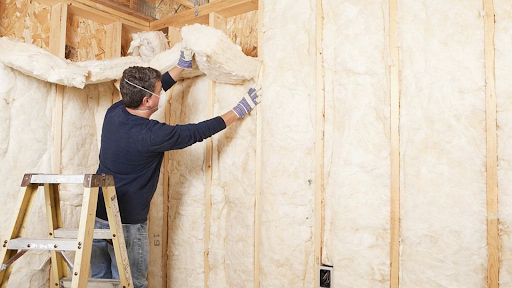
Insulation slows heat transfer but does not stop air movement. If air can still flow freely, conditioned air escapes and HVAC systems run longer to compensate.
“Insulation works best when it’s part of a broader strategy that includes air sealing,” Pace explains. “Otherwise, you’re treating the symptom, not the cause.”
Why Climate Plays a Bigger Role Than Many Realize
Homes in hot-humid regions require different approaches than homes in colder climates. Poorly planned insulation upgrades can trap moisture, reducing comfort and creating long-term durability concerns.
Where Spray Foam Fits — And Where It Doesn’t
When applied correctly, spray foam can reduce air leakage and improve thermal consistency, but it is not a universal solution. The goal is improving how the home performs as a system.
Signs Your Home May Be Losing Energy
Uneven room temperatures, consistently high energy bills, frequent HVAC cycling, and excess humidity often indicate underlying performance issues.
What Homeowners Can Do Before Making Changes
Before investing in upgrades, homeowners should understand where energy is escaping, how changes affect airflow and moisture, and seek assessments that evaluate the home as a whole.
The Takeaway
Most homes lose energy gradually through small gaps that accumulate over time. Addressing these issues improves comfort, efficiency, and long-term performance.
“When the building envelope is working properly,” Pace says, “comfort improves, efficiency follows, and everything else starts to make more sense.”