
Hotels have always lived at the intersection of service and expectation, but something shifted in 2025. Traveler sentiment, generational behavior, and the lingering effects of several turbulent years created a new kind of relationship between guests and the hotels that serve them. The changes were subtle and steady enough to form a new pattern that many industry analysts now describe as hospitality’s “new social contract.”
As the year comes to a close, it is clear this contract is not a passing trend. It has become the baseline standard guests expect, and the operators who adapt early will be the ones shaping what the industry looks like in 2026.
Guests Want Connection, Not Just Convenience
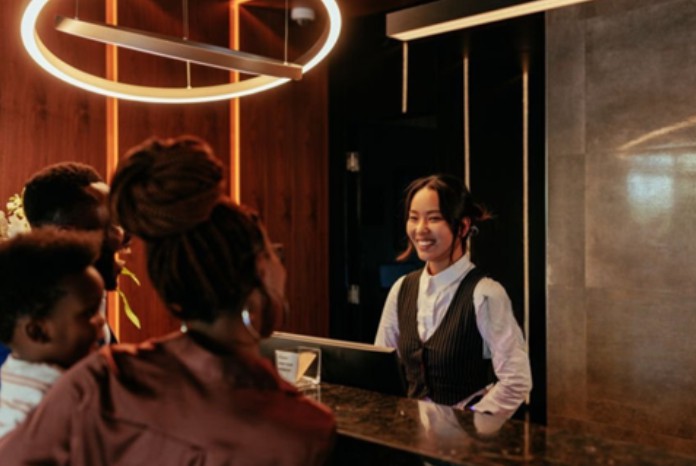
Digital tools made stays more efficient, but 2025 revealed that efficiency alone is not enough. Travelers showed renewed appreciation for genuine human connection. A warm welcome at the front desk, a local recommendation delivered by someone who knows the area, or a simple conversation that made a guest feel seen often mattered more than the speed of a mobile check-in.
Hotels that paired technology with strong service culture consistently earned higher guest sentiment. Operators who invested in their teams—through training, mentorship, and clear paths to advancement—saw these efforts reflected in reviews and loyalty.
This pattern was evident across many regional operators. Amerilodge Group, for example, continued to emphasize on-site leadership and internal development. Several of its properties saw measurable gains in guest satisfaction after expanding cross-training programs and giving frontline staff more freedom to personalize interactions. These gains highlight the link between service culture and guest experience, a connection that will only grow stronger in 2026.
Transparency Became Essential
One of the most significant behavioral shifts of the year was the demand for transparency. Guests expected clear communication about pricing, amenities, and housekeeping schedules. Hidden fees or unclear policies caused frustration and eroded trust quickly.
Hotels that communicated plainly earned credibility even when offerings were limited. Travelers did not expect perfection. They expected clarity. That expectation will continue influencing booking decisions in the coming year, particularly in competitive midscale markets.
Local Relevance Became a Differentiator
Another major insight from 2025 was the growing desire for locally informed experiences. Guests wanted recommendations that felt rooted in the community they were visiting. They valued guidance from staff who understood the rhythms of the local area rather than generic search results.
Regional operators excelled here because their employees lived in the communities they served. Amerilodge Group is a strong example. Many of its general managers collaborate with local organizations, small businesses, and civic groups. This connection gave properties the ability to offer guests meaningful suggestions, from neighborhood restaurants to seasonal events.
These touches helped create stays that felt genuine and culturally connected—qualities that guests increasingly sought out throughout the year.
Service Culture Became a Competitive Advantage
Another clear lesson from 2025 was that internal culture had a direct impact on guest experience. Hotels with strong team morale consistently delivered better service. Properties with stable staffing performed better across nearly every metric.
Operators with long-term workforce strategies saw the greatest stability. Amerilodge’s commitment to developing employees through mentorship and career advancement helped several properties maintain consistent teams despite broader industry labor challenges. This stability translated directly into stronger guest sentiment.
Culture is no longer a soft metric. In 2026, it may be one of the strongest predictors of hotel performance.
Guests Rewarded Purpose, Not Posturing
Travelers paid close attention to how hotels engaged with their communities. They favored properties that contributed in practical, consistent ways. Simple initiatives—fundraisers, donation drives, or volunteer partnerships—carried more weight than traditional marketing campaigns because they reflected genuine values.
Amerilodge Group’s ongoing partnerships with nonprofits and local service organizations are examples of this model. These efforts helped reinforce a brand identity rooted in service and community presence, qualities that resonated with guests in 2025 and will continue to matter in the new year.
Looking Ahead: What 2026 Will Demand
The social contract forged in 2025 sets the stage for a more grounded, people-centered era of hospitality in 2026. Several expectations are already shaping industry strategy:
- Guests will continue valuing personal service over automated convenience.
• Transparency and trust will guide booking decisions.
• Local relevance will remain a key differentiator, especially for regional operators.
• Internal culture will directly influence external performance.
• Community engagement will shape brand perception as much as design or amenities.
For operators like Amerilodge Group and others rooted in their local markets, these expectations reinforce strengths they have already built: service grounded in care, leadership connected to community, and teams developed with intention.
As the industry moves into 2026, the hotels that thrive will be the ones that honor this new social contract—not as a strategy, but as a reflection of what hospitality has always been at its best.