

Chicago’s downtown construction pipeline remains thin by historical standards, but early signals suggest the city is entering a new, more measured phase of residential development. After several years defined by rising interest rates, stalled projects, and cautious lenders, developers are beginning to test what kinds of housing can move forward under today’s constraints.
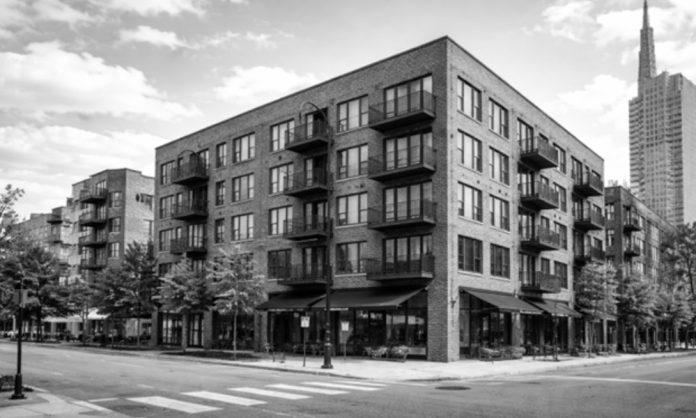
Rather than a return to large, speculative towers, the next cycle appears likely to favor smaller, more targeted projects. Mid-rise buildings, infill sites, and developments that align closely with existing zoning and infrastructure are increasingly shaping Chicago’s outlook for 2026.
According to Integra Realty Resources, fewer than 600 apartment units are currently slated for completion downtown in 2026. At the same time, rents have continued to climb, rising more than 8 percent year over year in late 2025. That imbalance between supply and demand is creating pressure for new housing, even as financing conditions remain tight.
Developers active in the market say the environment now rewards discipline over scale. Construction costs remain elevated, equity is selective, and lenders are focused on projects with clear execution paths. As a result, proposals that emphasize efficient site use, manageable unit counts, and streamlined entitlement processes are gaining momentum.
Zoning applications filed over the past year reflect that shift. Many focus on residential density without the complexity of large mixed-use programs, often replacing underutilized office or legacy commercial sites with housing tailored to current demand. These projects typically prioritize rental units, structured parking, and compliance with the city’s affordable housing requirements.
Shadow, who has been involved in development activity in and around Chicago, sees the current moment as one defined by recalibration rather than retreat. In his view, the slowdown of recent years has clarified what kinds of projects can realistically move forward.
“The market is more selective now,” Shadow says. “Projects that align with today’s financing realities and neighborhood context are the ones that have a chance to proceed.”
Across the city, similar proposals suggest that Chicago’s next construction phase will be shaped less by headline-grabbing ambition and more by adaptability. Developers are increasingly focused on what can be delivered within existing constraints rather than waiting for a return to pre-pandemic capital conditions.
Urban planners and real estate analysts note that this trend could have longer-term implications for the city’s built environment. Smaller-scale residential projects are often faster to deliver and easier to integrate into established neighborhoods. Over time, they can add meaningful supply without the volatility associated with large, speculative development cycles.
The city’s Affordable Requirements Ordinance continues to influence how these projects are structured. By embedding affordability into new construction, the policy is shaping unit mixes and site planning in ways that are now familiar to both developers and lenders.
Elsewhere downtown, incremental progress is also visible. In River North, for example, recent permitting activity for residential projects suggests growing confidence that demand will support new construction, even if developers remain cautious about timing and scale.
Taken together, these developments point to a housing market that is slowly regaining its footing. While Chicago is unlikely to see a surge of marquee projects in the near term, a steady flow of smaller, well-sited developments could begin to close the gap between supply and demand by 2026.
For a city that has long balanced ambition with pragmatism, this next phase may reflect a more sustainable approach to growth, one shaped by hard lessons from the past few years and a clearer view of what the market can support now.