
Samuel Chaves’s background helps him see what building a career in Mexican banking requires, including customer-facing thought processes, embracing compliance and solving for real needs.
Samuel Chaves is the Executive Vice President of Bankaool, but his career started in manufacturing. Bridging the gap between his work in the family business and his C-suite status in banking are years of work with startups and digital-focused models.
For Chaves, building a career in banking in Mexico has been about seeing the needs of consumers and finding ways to meet them, whether with new digital or existing traditional products.
Samuel Chaves’s Career Trajectory: From the Family Textile Business to Fintech and Banking
For Samuel Chaves, the path to a career in banking started in the family business, where fabric, not finance, was the name of the game. His family ran Grupo ARNS, a textile manufacturing business in Costa Rica, eventually selling it for a large sum. Chaves and his brother Moisés used some of the proceeds to found OSS Inversiones, shifting their momentum from manufacturing to investment.
Chaves’s next chapter was in Singapore, where he and his brother worked alongside Grab, Southeast Asia’s dominant super-app, to pursue a bid for the bike-sharing company Mobike. That exposure to the super-app model has followed him through later chapters, such as launching bike rentals in San Jose and layering financial services in apps.
The customer-facing, service-enhanced approach to fintech solutions scaled quickly, and Chaves found himself involved in ventures that built neobanks, super apps and crypto products. By 2023, Samuel Chaves had moved from building digital-first ventures into a role with a more traditional bank; he took on the Executive Vice President position at Bankaool, a regulated Mexican bank with physical branches.
What Samuel Chaves Thinks Professionals Should Know About a Career in Banking
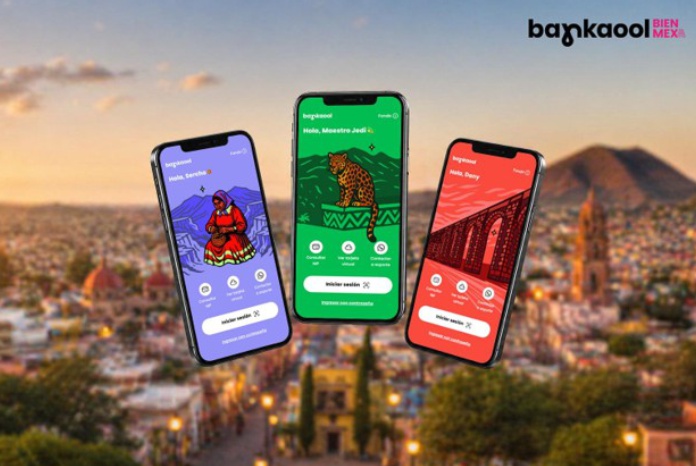
Chaves’s background has set him up to see banking from angles many executives never encounter, giving him unique insight about building a career in the industry. His work with Bankaool combines his past experience with the company’s customer-forward, hybrid-focused mission to provide compliance, high-quality banking services to many across Mexico.
Compliance Is an Asset, Not a Constraint
Coming from app-based fintech companies into a CNBV-regulated banking structure involved a learning curve for Samuel Chaves. Bankaool’s regulated status and IPAB-protected deposit infrastructure elevate its trust category compared to some types of digital-only competitors, and Chaves believes that’s a good thing.
In many industries, there’s a tendency to buck against compliance, seeing it as a constraint to work within. Bankaool views compliance as an asset. “Consumers are increasingly worried about the safety of their finances,” Samuel Chaves says. “Hundreds of thousands of fraud claims are reported annually, and that number’s only growing. Regulation matters for consumers, and learning to work well within it matters for a career in the industry.”
Don’t Assume Access Equals Inclusive Solutions
According to an ENIF 2024 report, 25% of individuals in Mexico have never had a banking account or similar financial product, and among rural and older populations, that figure is higher. Chaves says this type of data is critical for anyone in the banking sector.
“Digital is where many people come into the industry. It’s growing; lots of people have ideas for products,” Chaves says. “But the assumption is that you can build the product and people will come. But you need more than that. Consumers need products that work for them and that they can use.”
Chaves’ brother has been vocal about why financial education belongs inside the product, and Samuel Chaves agrees. He says understanding how financial education and banking services integrate is essential to building a successful career.
You Can’t Copy and Paste Everything as You Grow and Move
Samuel Chaves’ career trajectory is one that involves constantly moving and changing, building on previous ideas without trying to copy and paste them over new situations. The idea of the super-app model built alongside Grab in Singapore came with him to Costa Rica, but he adapted it to fit the needs of the consumers and situation there. That happened again when he brought his experience to Mexico.
“Neobanks often look at traditional banking as a legacy system. They want to phase it out, go digital-only. App-only works for some products, but it’s not a good fit for banking in Mexico,” Chaves says.
According to Ventana EBC, 92% of Mexicans maintain relationships with traditional banks and a majority of digital banking customers use tech to complement rather than replace their traditional banking products. For Chaves, this type of market knowledge helps make business and career choices that build on the future for himself and the people he serves.
You Must Find What Your Customer Really Needs, Not Just What You Think They Need
From teller stands to C-suite offices, the focus in banking remains on serving the customer. Chaves notes that figuring out what customers really need and building products and processes to meet those needs is critical for success in the industry.
“You have to do the work to figure it out,” he says. “There’s a tendency to run with what you might think consumers need or to solve one group’s problems while leaving others out. Younger people might rely on mobile banking a lot more than older people, and in Mexico, people in rural locations may not use the internet much or at all, regardless of age. Somewhere like Chiapas or Oaxaca has less connection than a bigger city. I’ve learned that doing the work to understand market needs matters, for my career and the success of any company I work for.”
How Support Scales Matters
Digital-only financial products can sign up thousands of new customers in weeks, but they don’t always have the support infrastructure to match that growth. Samuel Chaves points out that customer support systems can take longer to build than the technology itself, but they’re critical to success for businesses and individuals building careers in the industry.
“I’ve seen digital ventures scale so fast, they can’t keep up with customer concerns or needs,” Chaves says. “Unresolved issues create a backlog that seems impossible to catch up with, and even if you do, people are waiting too long to be satisfied with any outcome. It’s bad for the customer, bad for the business, and bad for careers.”
A Career in Mexican Banking Means Listening and Responding
Samuel Chaves’s path from a Costa Rican textile business to the executive suite at a regulated Mexican bank involved stopping points that gave him differing vantage points over fintech, banking and what customers actually need. That perspective shapes his approach at Bankaool and helps him see what’s required for success in the industry.